Tuesday, September 04, 2007
Take Grits' feasibility survey on juvenile justice conference
For readers interested in the Texas Youth Commission and juvenile justice, don't forget to take Grits' feasibility survey regarding a possible conference on the subject of reforms at the TYC (mentioned last week here). I'm especially thankful for the great suggestions for speakers and topics readers provided so far. If this event sounds like it might interest you, I'd appreciate you taking a minute to fill out this short survey.


How to prevent police misconduct
The Tyler Morning Telegraph offered up a feature today analyzing 13 cases of East Texas police officers arrested or convicted for alleged crimes in the past two years ("Breaking the Badge," Sept. 4). Officials hope more thorough background checks will prevent similar, future incidents.
It wasn't so long ago my job as Police Accountability Project director at ACLU of Texas required me to track best practices regarding police disciplinary processes (I left the group last year), especially in Texas, so I could go on quite a bit about this topic. But before I point out a few reasons it's often difficult for police administrators to root out misconduct, here's the list of recent arrested or convicted officers from the Telegraph article:
What makes this problem so intractable?
Perhaps most importantly, Texas' powerful police unions have worked for years to install weak discipline laws for Texas' 70+ cities that have opted into the civil service provisions in Chapter 143 of the Local Government Code, including most mid-sized municipalities like Tyler and all of Texas' large cities except Dallas and El Paso. As currently written, Texas civil service code for police and firefighters dramatically reduces accountability for officers in civil service cities.
For example, virtually all Texas cities that adopted the civil service code did so in the '40s or '50s, but in 1989 the code was changed to make most records about alleged police misconduct closed. The same records are public at more than 2,400 other Texas law enforcement agencies including county sheriff's departments. So in civil service cities, most misconduct allegations have been made secret, including many confirmed complaints, even though the same documents would be public at the local county sheriff.
Another provision of the civil service code forbids departments from considering an officer's past record of misconduct when making promotion decisions - only their score on a standardized test and years of seniority may be considered.
Even when chiefs and supervisors want to do the right thing, the best of them find it's difficult to break down the "Blue Wall of Silence" wherein many officers won't "snitch" on their brethren as a matter of principle. The ultimate solution here is for departments to make both cover up of misconduct by other officers and lying to supervisors an automatic firing offense.
The truth is, only a small percentage of officers commit most serious misconduct, but many more officers turn the other way or don't look closely when faced with possible wrongdoing by a colleague. Strict rules that put officers' jobs on the line when they fail to report misconduct or lie would root out bad eggs and give the "good cops" an incentive to support reform instead of prevent it.
Most people don't realize that many police chiefs can't make final decisions about when an officer should be fired in civil service departments. As often as not, binding arbitration overturns the chief's decision when he or she recommends firing an officer. Perhaps the most common reason arbitrators overturn chiefs decisions is when similar policy violators received disparate treatment - e.g., the department recommends firing one officer when another received only a three day suspension or even a written reprimand.
The best solution here is for cities to create a uniform disciplinary matrix that pre-identifies punishments for the most serious violations so they'll withstand later scrutiny. Punishments within a published matrix are more likely to have an arbitrator declare them reasonable because they're the same for everybody.
So yes, opening up information at TCLEOSE may be part of the solution, but the agency has historically been a toothless tiger, and local departments in the end bear most of the responsibility for preventing and punishing police misconduct.
To keep incidents like those described above from happening again, departments can't look to a state bureaucracy or background checks to fix supervisors' derelictions. Agencies must respond decisively and ruthlessly to corruption and serious misconduct whenever it arises in their ranks, and over time IMO that will contribute greatly to a preventive effect.
It wasn't so long ago my job as Police Accountability Project director at ACLU of Texas required me to track best practices regarding police disciplinary processes (I left the group last year), especially in Texas, so I could go on quite a bit about this topic. But before I point out a few reasons it's often difficult for police administrators to root out misconduct, here's the list of recent arrested or convicted officers from the Telegraph article:
The paper pinned blame on a topic Grits has explored in the past, so-called "gypsy cops" who travel from agency to agency after being released or fired for misconduct. The most notorious "gypsy cop" was Tom Coleman, the villain and convicted perjurer from the renowned "Tulia" scandal, but there have been many other examples. Reported the Telegraph:Former Malakoff Police Department Officer Horace Anthony Poullard has been charged, but not convicted, of sexually assaulting a woman in custody. FBI officials believe there could be more victims. Former Jacksonville Police Department Officer Larry Pugh was convicted of sexually assaulting women in custody and perjury. Former Troup Police Chief Chester Kennedy and former Officer Samuel Mark Turner were both convicted of tampering with evidence in a corruption probe.
Authorities believe it was common practice for officers in the department to “accept money and drugs as bribes to cover up criminal offenses for individuals,” according to a search warrant affidavit. Kennedy was sentenced to 10 years in prison after he was found guilty of stealing and tampering with evidence seized by his department. Turner was sentenced to three years in prison.Randall “Randy” Lee Thompson, a former Cherokee County Pct. 3 constable and former Texas prison guard, was caught on tape discussing the sale of methamphetamine, as well as threatening to kill or hurt others, including law enforcement officers, traveling to Mexico and planning other illegal activities.
He pleaded guilty to distributing 108 grams of pseudoephedrine to a confidential witness working for the FBI.Former Rusk County Sheriff’s Chief Dusty Flanagan and former Lt. Johnny Leon Davidson Jr. both pleaded guilty to deprivation of rights under the color of law — assaulting and causing bodily injury to a man handcuffed in Flanagan’s office, depriving him of his constitutional rights, including excessive force and abusing his authority as a deputy. They each face up to 10 years in prison. Former Rusk County Sheriff’s Investigator Michael Wayne Davis pleaded guilty in July of this year to insurance fraud. He was sentenced to two years deferred adjudication, community supervision and fined $2,000. Kenneth Calvin Martin, a former Rusk County Sheriff’s deputy, was arrested for possession of child pornography on the patrol car’s laptop. He pleaded guilty to the charges in federal court last week and awaits sentencing. Smith County Jailer Kenya Nicole Bush, while in her capacity as a jailer, provided a photograph to a suspect in a murder for hire conspiracy of a confidential informant the man planned to have killed. She also gave the suspect the informant’s last known address and information of his movement within the jail. Ms. Bush communicated with the suspect via cell phones, which inmates are not allowed to possess. Smith County Jailer Shermeka Lagarde, charged with providing a cell phone to an inmate she became romantically involved with. She faces the felony charge of bringing a prohibited substance into a correctional facility. Former Smith County Probation Officer Wayne Keller was arrested on three counts of official oppression in May 2006 following alleged inappropriate treatment of a female probationer. The victim described the incident as an unwelcome sexual advance that left her shaken. James Finch, former Van Zandt County Sheriff’s investigator, was sentenced in July to 10 years in prison for aggravated assault, one year in prison for deadly conduct, five years in prison for aggravated sexual assault, two years in prison for unlawful restraint, 30 days in a county jail for criminal trespassing and 180 days in prison for endangering a child. The incident involved his ex-wife.
Timothy Braaten, Texas Commission on Law Enforcement Officer Standards and Education executive director, said part of the problem is that departments are not giving enough information to inquiring departments interested in hiring an officer. He said this is the reason bad cops and “gypsy cops” can move so easily between multiple departments in a short time.I agree that's part of the problem. Not only should those records be released to hiring departments, they should be public so that the public can hold agencies accountable when they knowingly hire officers with bad records. Still, that alone won't prevent corruption as frequently we see officers who've spent years at the same agency accused of serious misconduct.
“It is a bit scary, but I think we’ve found the enemy and it is us,” he said in January’s edition of the agencies’ publication Closer Look. “We refuse to take a stand and tell our cities, counties and elected officials that we need to require quality work history releases that are signed by the applicants and that we need to respond totally and completely to properly executed releases from other agencies.
What makes this problem so intractable?
Perhaps most importantly, Texas' powerful police unions have worked for years to install weak discipline laws for Texas' 70+ cities that have opted into the civil service provisions in Chapter 143 of the Local Government Code, including most mid-sized municipalities like Tyler and all of Texas' large cities except Dallas and El Paso. As currently written, Texas civil service code for police and firefighters dramatically reduces accountability for officers in civil service cities.
For example, virtually all Texas cities that adopted the civil service code did so in the '40s or '50s, but in 1989 the code was changed to make most records about alleged police misconduct closed. The same records are public at more than 2,400 other Texas law enforcement agencies including county sheriff's departments. So in civil service cities, most misconduct allegations have been made secret, including many confirmed complaints, even though the same documents would be public at the local county sheriff.
Another provision of the civil service code forbids departments from considering an officer's past record of misconduct when making promotion decisions - only their score on a standardized test and years of seniority may be considered.
Even when chiefs and supervisors want to do the right thing, the best of them find it's difficult to break down the "Blue Wall of Silence" wherein many officers won't "snitch" on their brethren as a matter of principle. The ultimate solution here is for departments to make both cover up of misconduct by other officers and lying to supervisors an automatic firing offense.
The truth is, only a small percentage of officers commit most serious misconduct, but many more officers turn the other way or don't look closely when faced with possible wrongdoing by a colleague. Strict rules that put officers' jobs on the line when they fail to report misconduct or lie would root out bad eggs and give the "good cops" an incentive to support reform instead of prevent it.
Most people don't realize that many police chiefs can't make final decisions about when an officer should be fired in civil service departments. As often as not, binding arbitration overturns the chief's decision when he or she recommends firing an officer. Perhaps the most common reason arbitrators overturn chiefs decisions is when similar policy violators received disparate treatment - e.g., the department recommends firing one officer when another received only a three day suspension or even a written reprimand.
The best solution here is for cities to create a uniform disciplinary matrix that pre-identifies punishments for the most serious violations so they'll withstand later scrutiny. Punishments within a published matrix are more likely to have an arbitrator declare them reasonable because they're the same for everybody.
So yes, opening up information at TCLEOSE may be part of the solution, but the agency has historically been a toothless tiger, and local departments in the end bear most of the responsibility for preventing and punishing police misconduct.
To keep incidents like those described above from happening again, departments can't look to a state bureaucracy or background checks to fix supervisors' derelictions. Agencies must respond decisively and ruthlessly to corruption and serious misconduct whenever it arises in their ranks, and over time IMO that will contribute greatly to a preventive effect.
70% of Driver Responsibility fines go unpaid
The Texas "Driver Responsibility" surcharge is a broken program. Designed to squeeze more money from traffic violators during the 2003 budget crunch, the Texas Legislature created a bureaucratic monstrosity where 70% of fines go unpaid.
The result: more than 10% of Texas drivers now have outstanding warrants, and the number of drivers without licenses has climbed continuously since the law's passage. The Houston Chronicle had a story yesterday ("Texas drivers aren't paying violation surcharges," Sept. 3) which revealed that unpaid surcharges from the program more than double the amount of revenue generated:
To me, that's the obvious reason for failure of the program: We're punishing what's often a crime of poverty - failure to purchase car insurance - with substantial fines that make purchasing insurance in the future less likely. How much are we talking about per driver? Including the surcharges, reported the Chron, "Driving without insurance could cost $1,303 over three years. A DWI conviction with surcharges could cost up to $6,603."
So let's say you're a newly hired Texas prison guard with a starting salary of $22,000 per year, or a little over $1,800 per month - how in the world could you afford this extra hit on top of the cost of the ticket?
What a terrible public policy: The Driver Responsibility surcharge increases the number of uninsured drivers, unlicensed drivers, and the number of Texans with arrest warrants. House Law Enforcement Chairman Joe Driver sees these outcomes as evidence the law should be "tweaked," but if you ask me the results show why the program should be scrapped.
The only benefit to the state from the fee is to generate revenue from a source that politicians can say didn't come from taxes (the money divides equally between hospital trauma care and paying for the Trans-Texas Corridor). But a 30% collection rate makes the program look like a joke - the public perception created by hundreds of thousands of people flouting the law discredits the government more than the extra money bolsters it.
The Chron piece promoted Tamara Shippy's online petition against the surcharge, quoting the college junior from Friendswood declaring, "It's unreasonable ... It's unfair. It's just mind-boggling. It seems too cruel to actually exist."
Shippy has spoken out boldly against the Driver Responsibility program in recent weeks and has already signed up nearly 400 people who oppose the surcharge. No organization in the state that I know of has mobilized to oppose the law, so I'm glad to see her step up to take leadership. Grits encourages readers to sign her petition, if you haven't already, forward the link to your friends, and also contact your state representative and senator to tell them the surcharge should be repealed.
The result: more than 10% of Texas drivers now have outstanding warrants, and the number of drivers without licenses has climbed continuously since the law's passage. The Houston Chronicle had a story yesterday ("Texas drivers aren't paying violation surcharges," Sept. 3) which revealed that unpaid surcharges from the program more than double the amount of revenue generated:
• Revenue billed: $887.8 millionHow's that for government efficiency? The vast majority of offenders assessed the surcharge (>1.6 million) committed the offense of driving without insurance, usually because they could not afford it. So how does charging them $250 extra for the next three years, on top of the cost of the ticket, make it possible to afford insurance in the future?
• Revenue collected: $288.5 million
• Unpaid surcharges: $599.3 million
To me, that's the obvious reason for failure of the program: We're punishing what's often a crime of poverty - failure to purchase car insurance - with substantial fines that make purchasing insurance in the future less likely. How much are we talking about per driver? Including the surcharges, reported the Chron, "Driving without insurance could cost $1,303 over three years. A DWI conviction with surcharges could cost up to $6,603."
So let's say you're a newly hired Texas prison guard with a starting salary of $22,000 per year, or a little over $1,800 per month - how in the world could you afford this extra hit on top of the cost of the ticket?
What a terrible public policy: The Driver Responsibility surcharge increases the number of uninsured drivers, unlicensed drivers, and the number of Texans with arrest warrants. House Law Enforcement Chairman Joe Driver sees these outcomes as evidence the law should be "tweaked," but if you ask me the results show why the program should be scrapped.
The only benefit to the state from the fee is to generate revenue from a source that politicians can say didn't come from taxes (the money divides equally between hospital trauma care and paying for the Trans-Texas Corridor). But a 30% collection rate makes the program look like a joke - the public perception created by hundreds of thousands of people flouting the law discredits the government more than the extra money bolsters it.
The Chron piece promoted Tamara Shippy's online petition against the surcharge, quoting the college junior from Friendswood declaring, "It's unreasonable ... It's unfair. It's just mind-boggling. It seems too cruel to actually exist."
Shippy has spoken out boldly against the Driver Responsibility program in recent weeks and has already signed up nearly 400 people who oppose the surcharge. No organization in the state that I know of has mobilized to oppose the law, so I'm glad to see her step up to take leadership. Grits encourages readers to sign her petition, if you haven't already, forward the link to your friends, and also contact your state representative and senator to tell them the surcharge should be repealed.
Monday, September 03, 2007
Dr. Bill Bush: Committee showed "blatant double standard" to TYC critics
Dr. Bill Bush of UNLV, an academic who's writing a book on the history of the Texas Youth Commission, offered these observations about last week's joint legislative oversight committee hearing in the comments to this post. Since his comment was #50 in a post nearly a week old, I thought I'd post his observations of the hearing here so everyone would see them. See also Bush's recent Grits guest column comparing current problems at the agency to those experienced by TYC thirty-plus years ago.
Bush offered these reactions in the blog's comments, not as a formally written piece, so forgive its relative informality. I'm so close to some of these people, issues and processes, it was a good reality check to see what an outsider thought of last Wednesday's dog and pony show. Here's what Professor Bush had to say:
You can view the 8.5 hour video for yourself here. See also prior Grits coverage of the hearing:
Bush offered these reactions in the blog's comments, not as a formally written piece, so forgive its relative informality. I'm so close to some of these people, issues and processes, it was a good reality check to see what an outsider thought of last Wednesday's dog and pony show. Here's what Professor Bush had to say:
I finally watched several parts of last week's hearing.IMO the good professor can be forgiven for such harsh impressions. His description nails the overall tone of the hearing, which seemed aimed primarily at protecting bungling administrators instead of demanding they do a better job. I don't understand why the joint legislative committee took that approach, but I predict it will come back to bite legislators down the road if problems aren't fixed and they've been less than diligent in their oversight. Next time, they won't have the excuse that they didn't know what was happening.
The Owens/Pope testimony was exactly as everyone here has described. A lot of broad and suspect claims about progress. The most precise evidence given was the lower number of inmates. The discussions of key issues like use of force, a rehab program, and staffing shortages, were overly general. I'm left feeling like I still don't really know what is going on with TYC, which is a pretty amazing accomplishment for an 8-hour hearing.
It's clear that most of the committee is very invested in the current admin's success. This was evidenced in the blatant double standard applied to statements by TYC (questioned very little) and by its critics (questioned a lot). Wasn't credulous acceptance of agency statements how these geniuses got into this mess?
Maybe they don't have any interest in having a substantial Sunset Review at all, and they want SB103 to be the last word. That's my impression, they think their work is mainly done. It's "fixed." Miller Time. Huzzah.
It was disappointing and a little sickening to watch them shout down or intimdate anyone who presented information that conflicted with an obviously pre-fabricated conclusion that things are progressing swimmingly - even to the point of real absurdity.
Senator Whitmire might want to sit down with Ben Barnes, who as Lt Governor during a TYC investigation in the late 1960s behaved almost exactly the way Sen Whitmire did the other day, ultimately to the state's cost, since the Morales lawsuit came about two years later.
I was especially appalled at the sophomoric treatment of the Harris County monitor when she pointed out the lack of a rehab plan and criticized the use of pepper spray. Frankly, I wish she hadn't "apologized" and backtracked when challenged by Sen Whitmire and others. She said that she wished TYC would spend as much on staffing and training new staff in mediation as it is on pepper spray, and the response was to quiz her for dollar figures, to enthuse that pepper spray is "pretty cheap" after all, and to call her statement "irresponsible." Well, how revealing.
Here is a seasoned juvenile justice professional who has clearly been working extremely hard (450+ interviews with juvies in just a few months!) and has tons of first-hand information to present the committee, and she's treated like a bomb-throwing hippie. To call this performance disgraceful would be too charitable.
Obviously criticism of post-SB103 TYC is a full contact sport for thin-skinned legislators. In that spirit, let me suggest that Sen Whitmire's attempt to further discredit the Harris County monitor's testimony by criticizing HC's lack of a monitor for its county JDCs was one of the more pointless, Student Government quality diversionary tactics I've seen in a legislative hearing.
Excuse me, were they gathered there to talk about the county JDC? Did HC go thru a massive abuse scandal that is the slightest bit relevant? Is it in crisis the way TYC is? Why not just do the chicken dance, or jump around in a circle?
How about putting a little more thought into these affairs, so that people with, like, actual information aren't testifying at the end of an 8-hour hearing, when attention spans are clearly fading?
Grits, sorry to depart from my usual tone, but this irritated the living crap out of me. I'm left with the strong impression that the lege simply doesn't care a whole lot about this and would just like it to go away, the sooner the better. I'd love to be proven wrong, but wouldn't bet my last dollar on it.
You can view the 8.5 hour video for yourself here. See also prior Grits coverage of the hearing:
Mikulastik: At TYC, "peer pressure" looks a lot like old TDCJ "building tender" system
This guest column is the latest in a series commissioned for Grits to provide a more diverse range of views, to assess problems at the troubled youth agency and to identify possible solutions.
Anthony Mikulastik is a former TYC employee who was fired for a 35 year old burglary conviction. He worked for TYC more than 11 years, 2 as a correctional officer and 9 as a case worker III. Before coming to TYC, he was a Chaplain for the Bell County Sheriff’s Department and the Temple Police Department for about 10 years. See Anthony's prior Grits guest column, and also recent columns by Dr. Bill Bush and former TYC assistant general counsel Howard Hickman.
The Texas Youth Commission uses a system that amounts to unofficial Building Tenders. If one of the youth violates a rule then the entire dorm or class room is held responsible. “Peer Pressure” is supposed to correct negative behavior of a wayward TYC youth. Such peer pressure was usually administered when TYC staff were intentionally distracted by a couple of youth and the Unofficial Building Tenders took care of business.
When I worked at the agency, it always was problematic for me to discipline the entire group of TYC youth for the negative behavior of one or two youth even thought it was TYC Policy. I felt it was extremely counterproductive and did more harm than good. An entire dorm could be put on restriction due to a limited number of bad actors. I saw the policy giving power to the disruptive youth to inflict suffering on the other youth who were trying to follow the TYC program.
Peer pressure may work in some settings but not the way it was implemented at Texas youth prisons. TYC did not have a group of well adjusted youth who possess the best social skills. One of the major problems faced by TYC currently and in the past is the mix of youth in TYC. There are young children with mental problems, there are children who have been abused sexually, there are children who have been raised by good families, there are children who have been raised by criminals, there are children who have been raised by addicts, there are children who have raised themselves, and there are children who are crack babies housed in TYC.
Some of these populations can coexist but not all of these populations can be treated in the same location and program. It will never work regardless how much money is poured into the problem.
Treatment modalities for each type of youth in TYC must be part of the long range plan for TYC if the current mix of youth continues to be sent there. Housing the many different types of youth in TYC is counterproductive and a disservice to the youth sent to TYC for proper treatment and rehabilitation. The current lack of any real program or long range plan is a travesty.
The Governor appointed people who appear not to be up to the job to get TYC on track and we have seen no positive results to date. Ed Owens doesn’t see an end to conservatorship for TYC and says that is up to the Governor. Owens, Ms. Pope, and Jay Kimbrough were appointed to get the job done and tell the Governor when things were right at TYC. Now it seems they don’t know what the job is, nor when it might be completed. At least Kimbrough had enough political savvy to know when it was time to leave town.
TYC desperately needs someone in charge who has modern management skills. They need to have a solid background in juvenile treatment and rehabilitation. TYC needs more funding from the Texas Legislature to do the needed job correctly. Doing things on the cheap got TYC where it is today! To accomplish the lofty goals the politicians pontificated about during the past session, money needs to be appropriated at a level that will properly capitalize the project, or else failure is doomed to follow.
The track record of contract care speaks for itself. Contract care has never been a good answer to problems Texas Government should step up and handle itself. How could anyone think an at profit company paying minimum wages and no benefits could attract better staff that would be capable of doing a better job?
I see the solution to the current TYC problem as being much easier that it may appear. You need only start with a good foundation. If you build on shifting sand you can only expect a collapse. The right foundation is good solid people with the right skills running and working at TYC. Get rid of the politically appointed administration and replace them with professionals in the proper fields. You don’t hire a truck driver to fly an airplane unless you want it to crash!
- Anthony Mikulastik
Anthony Mikulastik is a former TYC employee who was fired for a 35 year old burglary conviction. He worked for TYC more than 11 years, 2 as a correctional officer and 9 as a case worker III. Before coming to TYC, he was a Chaplain for the Bell County Sheriff’s Department and the Temple Police Department for about 10 years. See Anthony's prior Grits guest column, and also recent columns by Dr. Bill Bush and former TYC assistant general counsel Howard Hickman.
* * *
For many years, "Building Tenders" enforced the rules in TDCJ. They enjoyed a special relationship with the Warden as long as they kept the prison running smoothly.The Texas Youth Commission uses a system that amounts to unofficial Building Tenders. If one of the youth violates a rule then the entire dorm or class room is held responsible. “Peer Pressure” is supposed to correct negative behavior of a wayward TYC youth. Such peer pressure was usually administered when TYC staff were intentionally distracted by a couple of youth and the Unofficial Building Tenders took care of business.
When I worked at the agency, it always was problematic for me to discipline the entire group of TYC youth for the negative behavior of one or two youth even thought it was TYC Policy. I felt it was extremely counterproductive and did more harm than good. An entire dorm could be put on restriction due to a limited number of bad actors. I saw the policy giving power to the disruptive youth to inflict suffering on the other youth who were trying to follow the TYC program.
Peer pressure may work in some settings but not the way it was implemented at Texas youth prisons. TYC did not have a group of well adjusted youth who possess the best social skills. One of the major problems faced by TYC currently and in the past is the mix of youth in TYC. There are young children with mental problems, there are children who have been abused sexually, there are children who have been raised by good families, there are children who have been raised by criminals, there are children who have been raised by addicts, there are children who have raised themselves, and there are children who are crack babies housed in TYC.
Some of these populations can coexist but not all of these populations can be treated in the same location and program. It will never work regardless how much money is poured into the problem.
Treatment modalities for each type of youth in TYC must be part of the long range plan for TYC if the current mix of youth continues to be sent there. Housing the many different types of youth in TYC is counterproductive and a disservice to the youth sent to TYC for proper treatment and rehabilitation. The current lack of any real program or long range plan is a travesty.
The Governor appointed people who appear not to be up to the job to get TYC on track and we have seen no positive results to date. Ed Owens doesn’t see an end to conservatorship for TYC and says that is up to the Governor. Owens, Ms. Pope, and Jay Kimbrough were appointed to get the job done and tell the Governor when things were right at TYC. Now it seems they don’t know what the job is, nor when it might be completed. At least Kimbrough had enough political savvy to know when it was time to leave town.
TYC desperately needs someone in charge who has modern management skills. They need to have a solid background in juvenile treatment and rehabilitation. TYC needs more funding from the Texas Legislature to do the needed job correctly. Doing things on the cheap got TYC where it is today! To accomplish the lofty goals the politicians pontificated about during the past session, money needs to be appropriated at a level that will properly capitalize the project, or else failure is doomed to follow.
The track record of contract care speaks for itself. Contract care has never been a good answer to problems Texas Government should step up and handle itself. How could anyone think an at profit company paying minimum wages and no benefits could attract better staff that would be capable of doing a better job?
I see the solution to the current TYC problem as being much easier that it may appear. You need only start with a good foundation. If you build on shifting sand you can only expect a collapse. The right foundation is good solid people with the right skills running and working at TYC. Get rid of the politically appointed administration and replace them with professionals in the proper fields. You don’t hire a truck driver to fly an airplane unless you want it to crash!
- Anthony Mikulastik
Smith County voters have more options than building Taj Mahal jail
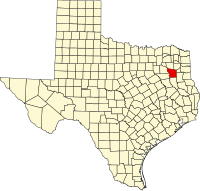 In the face of stiff voter opposition, the Smith County Commissioners Court recently decided to bull ahead to put a nine-figure jail expansion on the November ballot. But until they've invested more in prevention and diversion, and utilized new tools from the Lege to reduce jail overcrowding, I think voters in my hometown should continue to tell the county "No." The Tyler Morning Telegraph solicited reader letters about this fall's $109 million jail bond election and received some excellent responses, some of which apply equally to many other counties considering jail expansion. Those interested should give them a read.
Reader D.L. Wardlaw offered a particularly astute analysis of the economics behind Smith County's jail proposal, suggesting it would be cheaper to continue to outsource jail capacity to other counties:
The Commissioners Court has both failed to consider all appropriate options regarding jail problems, and to inform the public. The only financial justification offered is that Smith County is paying $40/day to house some 350 prisoners in other counties. That implied excess cost is $14,000/day, or $5.1 million/year. What they don't mention is that housing prisoners here costs $35/day, so the premium is actually $5/day x 350, or $1,750 - an annual cost of $638,000.Even one of the county commissioners publicly opposed the Smith County jail plan because of its fat price tag and lack of specificity. "Unfortunately, with options still unfolding after the election has been called, I'm afraid the 'just trust me' approach will not fly with the folks," Commissioner JoAnn Fleming told the Telegraph.
We are being asked to consider a $109.9 million bond issue in order to stop spending that $638,000. But it is not a $109.9 million obligation! The public needs to understand that a 25-30 year bond at 5-6% interest would cost the county's taxpayers $200 million or so when paid out.
Now suppose this new jail is built with that bond issue money. If it must then support the mammoth bond repayment cost, what does the cost/prisoner day become? $45? $50? $60? Reason and logic are not there.
Since voters rejected a similar, cheaper jail bond proposal last year, with opponents labeling the proposed complex a correctional "Taj Mahal," I'm not sure why Smith County Commissioners think a more expensive, less well-planned proposal will fare any better.
A better approach would be to expand recently launched incarceration alternatives for low-level, nonviolent offenders. On that score, I received an hopeful email a couple of weeks ago from Judge Cynthia Kent in Tyler describing the success of their new alternatives to incarceration program, discussed by Grits here, here, and here. The jail diversion program was begun after Smith County voters overwhelmingly rejected jail bonds last year. Reported Kent:
The program has is currently reducing the jail population by more than 120 inmates a day. The program is providing excellent and intensive supervision which is helping safeguard public safety. The program is providing significant counseling and rehabilitation services which some defendants say "Has saved my life." The program has already saved Smith County more than one million dollars net this year.Thanks, Judge, for the update on this important program. According to these spreadsheets documenting the program's results, forwarded by Judge Kent, the new day reporting center (AIC) saves taxpayers around $150,000 per month, with more savings in the offing if the program expands. Those who can't fulfill the program's requirements are still revoked and must do jail time, but so far that's been a relatively small percentage.
The commissioners are considering expanding the program for next year to include 200 inmates at a cost of $862,569 per year but this will reduce the cost to the county by $3,139,000 for jail housing with a net savings to Smith County of $2,276.431.
The money savings is what sells the program to the Commissioners. The real benefit is that lives are being changed, improved, focused on law abiding activities and the public will be enriched by broken lives being pieced together. There have been and will be failures. That is to be expected when admission to the AIC is only for non-violent offenders who are repeat offenders who would have been sent to prison or jail but for this program. However our revocation rate is between 8% and 10% and so we remain hopeful that the others in the program will continue to be successful in working, staying clean and sober, supporting their families, and living on the the law abiding side of the street.
I've argued previously that all Texas voters should reject new jail bonds when local law enforcement officials won't use all the tools at their disposal to address jail overcrowding, including creative programs like Judge Kent's and new authority to issue citations for Class B misdemeanors. If, as in Tyler, such initiatives go untried, in the case of the latter, or underfunded, in the case of the former, voters may rightly conclude building more jail beds would be an expenditure of choice rather than necessity.
Prison workers largest category of state employees
On Labor Day this blog should pause to publicly appreciate all those who work in law enforcement and corrections fields, especially those who frequent this blog. The Austin Statesman today reports that state government remains the largest employer in Texas, and that prison workers are the largest single category of state workers:
Happy Labor Day, everybody.What do most people do? Prison workers (Texas has one of the biggest prison systems in the world) and social service workers make up more than a third of the state work force.
- Criminal justice 33,330
- Social services 26,251
- Administrative support 17,417
- Program management 14,476
- Engineering and design 9,254
- Accounting, auditing and finance 5073
- Medical and health 5,006
- Law enforcement 4,364
- Maintenance 3694
- Legal 2,715
Audit criticizes Brazoria County juvie probation department
Drug peddling at the local boot camp, escapes, and a recent suicided by an unmonitored youth have the Brazoria County juvenile probation department looking for answers. The Brazoria County Facts yesterday profiled problems at that department raised in a recent state audit. (I hope the Facts follows up - there's definitely more to tell about the story.) Reported The Facts ("Department working to combat negative light," Sept. 2):
The whole article is definitely worth a read, and I'll bet Brazoria County's not the only juvenile probation department experiencing similar problems. Maybe tomorrow I'll see if I can lay my hands on that audit.
The department, which oversees juvenile detention, juvenile probation and the juvenile justice alternative education program or boot camp, was cited by the Texas Juvenile Probation Commission in December for several standards in non-compliance.The similarities between some of the Brazoria juvenile probation department's woes and what's happening at the Texas Youth Commission struck me as particularly telling, especially problems stemming from high staff turnover and new management taken from the adult prison system:
The citations included allowing detained juveniles to attend classes with the students in the alternative education program, not having constant visual supervision for all multiple-occupancy housing units, not having medical and psychological evaluations on all inmates prior to admission and not performing room checks at least every 10 minutes on inmates who are deemed to have a moderate suicide risk.
Changes also have been prompted by several incidents this year, including two escapes, two juveniles admitting to using, selling and delivering cocaine at the boot camp, and most recently, a suicide attempt July 1 in which a inmate hung himself with his socks and jumpsuit.
The teen later was taken to the hospital and recovered from his injuries.
Chief Probation Officer Diana Coates, who runs the juvenile probation department, and members of the juvenile probation board say the problems largely are due to a change in culture at the department.I'm sure Coates didn't help agency morale much by sandbagging her employees and failing to tell them an audit was coming. They'd passed a previous audit in 2005 when the agency had a week to prepare (which makes me think the Texas Juvenile Probation Commission should switch to unannounced reviews).
Coates formerly worked for the Texas Department of Criminal Justice as an assistant warden at the Clemens Prison Unit and the statewide director for youthful offenders.
The change in culture has been through working with employees to adhere to state standards, whereas they were not followed closely under the previous chief probation officer, Fred Williamson ...
Since Coates has taken charge of the juvenile probation department, more than half of its staff — 65 employees — either have been terminated or quit, according to statistics provided by the county’s human resources department.
Many former employees say the culture at the juvenile probation department is heavy on micromanagement and many former TDCJ guards are being hired by Coates.
“You have the upper echelon disciplining the employees more than the juveniles,” said Chase Gaines, who worked for the juvenile probation department for three years.
With so many former prison employees working at the facility, the attitude has changed at juvenile probation, he said.
“They don’t care enough to know what’s going on,” Gaines said. “This is not prison. This is a juvenile system.”
Coates said she has hired several former prison system employees, but none she previously knew.
“There’s a lot of TDCJ people in Brazoria County,” she said. “By and large they are usually the most qualified because of their experience.”
Brazoria County has six Texas prison units, which employ about 3,000 people.
The whole article is definitely worth a read, and I'll bet Brazoria County's not the only juvenile probation department experiencing similar problems. Maybe tomorrow I'll see if I can lay my hands on that audit.
Sunday, September 02, 2007
Our kooks are kookier than their kooks: Iran sounds more reasonable than Williamson County DA on drug policy
Robert Guest at I Was the State examines statements from Williamson County District Attorney John Bradley and the head of the Iranian national drug control agency Ali Hashemi on the issue of needle exchange. DA Bradley opposes a pilot program approved by the Texas Legislature in San Antonio.
Characterizing those who would overlook drug use to improve health outcomes, Bradley concludes that "some anti-abortionists have attempted to use that defense when trespassing on clinics or even when shooting doctors. What is the distinction?" he asked. Hmmm, for starters, that shooting people is against the law, and the Texas Legislature legalized a pilot needle exchange program in Bexar County?
Read the quotes and tell me who sounds more like a fundamentalist zealot?
It's worth mentioning that, though she's been less vocal and boisterous than John Bradley about her reasons, Bexar DA Susan Reed opposed her county's needle exchange pilot going forward, threatening to prosecute participants despite legislative approval. The county commissioners court called her bluff, though, and the program is set to begin in the new year.
Characterizing those who would overlook drug use to improve health outcomes, Bradley concludes that "some anti-abortionists have attempted to use that defense when trespassing on clinics or even when shooting doctors. What is the distinction?" he asked. Hmmm, for starters, that shooting people is against the law, and the Texas Legislature legalized a pilot needle exchange program in Bexar County?
Read the quotes and tell me who sounds more like a fundamentalist zealot?
It's worth mentioning that, though she's been less vocal and boisterous than John Bradley about her reasons, Bexar DA Susan Reed opposed her county's needle exchange pilot going forward, threatening to prosecute participants despite legislative approval. The county commissioners court called her bluff, though, and the program is set to begin in the new year.
Good dogs go to prison: Dog training program reduces inmate discipline incidents 63% at private prison
 Oddly enough, the dogs sent to prison aren't the ones who've committed crimes. The Fort Worth Star-Telegram has a good article today about the program I wrote about last month at the private prison in Venus, TX where prisoners train dogs as part of a rehabilitative program.
Some of the dogs come from backgrounds as sketchy as the inmates, and the accounts I've seen of the program suggest both parties benefit from the project. Though the warden in Venus says other corrections officials jokingly refer to him as "Kibbles N' Bits," the marked reduction in inmate misbehavior - a 63% drop in disciplinary incidents since the program's implementation - makes it worth enduring the ribbing. Reported David Casstevens at the Star-Telegram:
Dogs are called "man's best friend" for a reason. For the incarcerated, they help alleviate feelings of loneliness, boredom and isolation. Inmates chosen for the program -- a privilege that is lost if they commit any disciplinary infraction -- feel empowered as they learn a new skill. Many speak of experiencing a measure of rehabilitation themselves. Some become more empathetic and caring as a result of being responsible for another living being.
One offender expressed how a dog named Skye has changed him.
"I've had anger problems all my life," said Michael Hollie, 46, who is in prison five years for drug-related charges. "In this program, you have to have patience. These dogs came here with issues. They didn't come here to be abused further. So you start working on your temperament. Then, it starts to show with other people. I've honed some skills I haven't used in a long time."
Those interested should check out this Star-Telegram picture slideshow of dogs and inmates participating in the program. The article also provides information on how to adopt one of the inmate-trained dogs.
Sheriffs more likely than PDs to welcome new arrest discretion
It's interesting to track which Texas counties will implement HB 2391 allowing citations instead of arrests for low-level misdemeanors - so far DAs from some counties with severe jail overcrowding problems have refused to let local police utilize the new tool, while other jurisdictions have welcomed the change.
Most of the controversy arises over provisions to give citations in marijuana possession cases. The Jefferson County Sheriff told the Beaumont Enterprise, "Philosophically, I don't like that it seems to be a step toward decriminalizing the offenses." That canard has been repeated elsewhere and deserves a stern rebuke: This bill doesn't decriminalize anything. Marijuana possession, driving with a suspended license and other named offenses are still against the law. Similarly, running a stop sign hasn't been decriminalized just because you get a ticket instead of arrested for the offense.
In Midland, local officers won't use their discretion in marijuana cases, but can issue citations in the other low-level misdemeanors included in the bill. "I believe if you have any amount of marijuana, you should be placed in jail," said Sheriff Gary Painter. (Ironically, the Midland jail administrator was one of the earliest proponents of the idea of issuing citations for B misdemeanors.)
Such anti-pot bluster masks an inconvenient truth: Lots of Texas officers around the state already use a de facto method for ticketing marijuana possession. Wrote a peace officer on the Texas prosecutor's user forum, "We already do it for small quantities of MJ, and have been for years. We cite for possession of drug paraphernalia if it's contained in some way to facilitate it's use such as in a rolled form." The main difference in that case would be that the person is charged with a Class B marijuna possession instead of a Class C paraphernalia violation. So what's the beef, I keep wondering? Quien sabe?
The Dallas News editorialized yesterday the new law "clears our jails and frees up our police to apprehend people who pose a real threat to society. We're happy (in a drug-free way) because pot smokers never belonged among the likes of rapists and muggers in our jails." No word yet on whether Dallas police will use the new law, but they damn well should given that county's ongoing jail woes.
So far, Travis is the largest county to have announced it will utilize this new authority, and the Austin Police Department is onboard, citing research that each arrest cost taxpayers $2,000 in addition to the officer's time off the street. "We like the ability to have discretion to make decisions," Austin's Assistant Police Chief David Carter said. The Hays County Sheriff and San Marcos PD have also announced plans to use the new discretion.
What's happening in Corsicana may wind up being a common outcome in the short term: The local sheriff's department will allow deputies to use their new discretion, while the local police department will not. Similarly, the Palo Pinto County Sheriff's deputies will use this discretion, but police in Mineral Wells, the county seat, will not.
I predict Sheriffs generally will adopt policies to use the new law much faster than police departments. The reason: The Sheriff's Office runs the jail, so they care more about overcrowding issues - local police departments and prosecutors frequently just figure that's somebody else's problem. Like the taxpayers'.
UPDATE: Lamar County law enforcement including the Paris Police Department will not utilize the new citation authority, at least for marijuana offenses.
Most of the controversy arises over provisions to give citations in marijuana possession cases. The Jefferson County Sheriff told the Beaumont Enterprise, "Philosophically, I don't like that it seems to be a step toward decriminalizing the offenses." That canard has been repeated elsewhere and deserves a stern rebuke: This bill doesn't decriminalize anything. Marijuana possession, driving with a suspended license and other named offenses are still against the law. Similarly, running a stop sign hasn't been decriminalized just because you get a ticket instead of arrested for the offense.
In Midland, local officers won't use their discretion in marijuana cases, but can issue citations in the other low-level misdemeanors included in the bill. "I believe if you have any amount of marijuana, you should be placed in jail," said Sheriff Gary Painter. (Ironically, the Midland jail administrator was one of the earliest proponents of the idea of issuing citations for B misdemeanors.)
Such anti-pot bluster masks an inconvenient truth: Lots of Texas officers around the state already use a de facto method for ticketing marijuana possession. Wrote a peace officer on the Texas prosecutor's user forum, "We already do it for small quantities of MJ, and have been for years. We cite for possession of drug paraphernalia if it's contained in some way to facilitate it's use such as in a rolled form." The main difference in that case would be that the person is charged with a Class B marijuna possession instead of a Class C paraphernalia violation. So what's the beef, I keep wondering? Quien sabe?
The Dallas News editorialized yesterday the new law "clears our jails and frees up our police to apprehend people who pose a real threat to society. We're happy (in a drug-free way) because pot smokers never belonged among the likes of rapists and muggers in our jails." No word yet on whether Dallas police will use the new law, but they damn well should given that county's ongoing jail woes.
So far, Travis is the largest county to have announced it will utilize this new authority, and the Austin Police Department is onboard, citing research that each arrest cost taxpayers $2,000 in addition to the officer's time off the street. "We like the ability to have discretion to make decisions," Austin's Assistant Police Chief David Carter said. The Hays County Sheriff and San Marcos PD have also announced plans to use the new discretion.
What's happening in Corsicana may wind up being a common outcome in the short term: The local sheriff's department will allow deputies to use their new discretion, while the local police department will not. Similarly, the Palo Pinto County Sheriff's deputies will use this discretion, but police in Mineral Wells, the county seat, will not.
I predict Sheriffs generally will adopt policies to use the new law much faster than police departments. The reason: The Sheriff's Office runs the jail, so they care more about overcrowding issues - local police departments and prosecutors frequently just figure that's somebody else's problem. Like the taxpayers'.
UPDATE: Lamar County law enforcement including the Paris Police Department will not utilize the new citation authority, at least for marijuana offenses.
Saturday, September 01, 2007
Bexar Sheriff resigns over bribery scandal
Bexar County Sheriff Ralph Lopez resigned yesterday as part of a plea agreement to clear up bribery allegations related to actions by his campaign manager and a golfing trip he took with a vendor last year and failed to report. See prior Grits coverage:
New Texas Gun Laws
Today's the day Texas laws passed during the 80th Legislature take effect, if they haven't already, and several new gun laws deserve Grits readers attention:
Legal, stowed weapons okay in vehicle
Reacting to Texas prosecutors who'd continued to arrest legal gun owners in spite of the Legislature's intent in a bill from 2005, this year the Texas Legislature set in stone the rights of legal gun owners to carry a weapon in their vehicle without violating the law. (Regular readers may recall The New York Times profiled the bill and discussed a public policy report I wrote on the subject.) The new statute says an individual cannot be charged with unlawfully carrying a weapon (UCW) in their personal vehicle unless:
Changes to concealed carry statutes
Speaking of CCLs, holders of concealed handgun permits will only have to renew their permit every 10 years instead of five, as the law previously stood. In addition, the names of CCL permit holders will no longer be public records.
I'm fine with reducing the renewal requirement, but I think it may have been a strategic error for gun rights supporters to push for making CCL records closed. Having those lists public has allowed the media to doublecheck claims by gun rights opponents that concealed carry permit holders commit more gun crimes, and almost universally that's not the case. I've never heard of a burglar filing open records requests to identify targets - after all, that would leave a paper trail - but media analyses based on access to those records have helped assuage public fears over CCL carriers and paved the way for expanding Texas gun owners' rights. I'm not sure cloaking information about CCL holders in this case will assist the advance of liberty's cause.
Castle Doctrine
This bill changed less in Texas' statutes, which already protected homeowners who shot burglars and trespassers pretty strongly, than in other states where it has passed. San Marcos Police Chief Howard Williams said that even under the new law, a homeowner must "have an articulable fear for your safety.” That's still the case under the new statute.
Keep your gun in a a disaster
SB 112 actually took effect this spring, but it forbids law enforcement agencies from taking away people's guns in the aftermath of a natural disaster, reacting to police confiscation of weapons in post-Katrina New Orleans.
Legal, stowed weapons okay in vehicle
Reacting to Texas prosecutors who'd continued to arrest legal gun owners in spite of the Legislature's intent in a bill from 2005, this year the Texas Legislature set in stone the rights of legal gun owners to carry a weapon in their vehicle without violating the law. (Regular readers may recall The New York Times profiled the bill and discussed a public policy report I wrote on the subject.) The new statute says an individual cannot be charged with unlawfully carrying a weapon (UCW) in their personal vehicle unless:
- the handgun is in plain view (not found as a result of a consent search),
- the person is engaged in criminal activity other than traffic violations,
- the person is legally disallowed from owning a weapon (e.g., past criminal convictions), or
- the person's name is in the state of Texas' criminal street gang database.
Changes to concealed carry statutes
Speaking of CCLs, holders of concealed handgun permits will only have to renew their permit every 10 years instead of five, as the law previously stood. In addition, the names of CCL permit holders will no longer be public records.
I'm fine with reducing the renewal requirement, but I think it may have been a strategic error for gun rights supporters to push for making CCL records closed. Having those lists public has allowed the media to doublecheck claims by gun rights opponents that concealed carry permit holders commit more gun crimes, and almost universally that's not the case. I've never heard of a burglar filing open records requests to identify targets - after all, that would leave a paper trail - but media analyses based on access to those records have helped assuage public fears over CCL carriers and paved the way for expanding Texas gun owners' rights. I'm not sure cloaking information about CCL holders in this case will assist the advance of liberty's cause.
Castle Doctrine
This bill changed less in Texas' statutes, which already protected homeowners who shot burglars and trespassers pretty strongly, than in other states where it has passed. San Marcos Police Chief Howard Williams said that even under the new law, a homeowner must "have an articulable fear for your safety.” That's still the case under the new statute.
Keep your gun in a a disaster
SB 112 actually took effect this spring, but it forbids law enforcement agencies from taking away people's guns in the aftermath of a natural disaster, reacting to police confiscation of weapons in post-Katrina New Orleans.
Friday, August 31, 2007
Take Grits' feasibility survey on possible Texas juvenile justice conference
Ed. note: Pulling this back to the top to encourage more readers to take the survey.
After Wednesday's hearing of the joint legislative oversight committee on the Texas Youth Commission, I'm more concerned than ever about the near-vacuum of ideas being discussed about how to improve the troubled agency. More than anything, yesterday's committee discussion seemed superficial; the most critical issues, IMO, were for the most part sidestepped. In what forum then, I wondered, will they ever be discussed?
I've been considering the possibility that Grits for Breakfast might be in a unique position to host a conference on the topic of Juvenile Justice and Reforms at the Texas Youth Commission. What do you think? Is that something you personally would be interested in attending? (Take Grits' feasibility survey about a possible conference.)
The idea would be to bring together in one place (Austin) TYC officials, employees, inmate families, advocates, legislators, law enforcement, judges, county officials, local juvenile justice professionals, and everyone else who cares about the future of juvenile justice and the Youth Commission in Texas. Potentially, ideas generated could help shape agency policy, inform the Sunset review process, or suggest legislative initiatives for 2009.
Most potential speakers or participants I've spoken to so far have been excited by the idea. But since Grits is a solo project now, I'd have to charge for the event. Unfortunately it couldn't be a freebie. So it's important to get some idea ahead of time whether enough people might be interested to make the project worth it.
To help gauge interest, I created a survey to find out what people might like to get out of such an event, and to determine whether its financially feasible. I'm especially interested to find out what topics readers think it should focus on, or what the conference overall might accomplish.
Click here to take the survey or let me know what you think of the idea in the comments.
After Wednesday's hearing of the joint legislative oversight committee on the Texas Youth Commission, I'm more concerned than ever about the near-vacuum of ideas being discussed about how to improve the troubled agency. More than anything, yesterday's committee discussion seemed superficial; the most critical issues, IMO, were for the most part sidestepped. In what forum then, I wondered, will they ever be discussed?
I've been considering the possibility that Grits for Breakfast might be in a unique position to host a conference on the topic of Juvenile Justice and Reforms at the Texas Youth Commission. What do you think? Is that something you personally would be interested in attending? (Take Grits' feasibility survey about a possible conference.)
The idea would be to bring together in one place (Austin) TYC officials, employees, inmate families, advocates, legislators, law enforcement, judges, county officials, local juvenile justice professionals, and everyone else who cares about the future of juvenile justice and the Youth Commission in Texas. Potentially, ideas generated could help shape agency policy, inform the Sunset review process, or suggest legislative initiatives for 2009.
Most potential speakers or participants I've spoken to so far have been excited by the idea. But since Grits is a solo project now, I'd have to charge for the event. Unfortunately it couldn't be a freebie. So it's important to get some idea ahead of time whether enough people might be interested to make the project worth it.
To help gauge interest, I created a survey to find out what people might like to get out of such an event, and to determine whether its financially feasible. I'm especially interested to find out what topics readers think it should focus on, or what the conference overall might accomplish.
Click here to take the survey or let me know what you think of the idea in the comments.
Azle, TX railroad conductor honored for collection of boxcar graffiti pics
We've debated before on this blog the question of whether graffiti is art or vandalism. Personally, I think its both. At a minimum, this item from the Azle News suggests the answer lies in the eye of the beholder. Michelle Winder, a railroad conductor from Azle, will soon open an art show in a Fort Worth gallery depicting photographs of boxcar graffiti taken over the last several years. Her work will be showing beginning next week at


Winder's work raises all the questions about whether graffiti is art to the surface and forces us to confront them head on. If graffiti is vandalism when it's performed, does it become art when it's appreciated? Is Winder's work worthy of a gallery showing because of the artistry of the graff writers, or does graffiti become art only when viewed through another artist's lens?
Indeed, if images of graff have cash value on the open market, does that mean graff writers who put them there added value to the boxcars, or that, perhaps more accurately, there is an element of unexchanged value laying dormant in illegal graffiti? This last thought reminds of the Liberty Science Center's admonition to graff writers: "Paint responsibly," what you create is a "cultural asset."
Interesting stuff to think about. I especially like the pic of the Boxcar Dog. See much of Grits' graffiti coverage including suggested solutions collected here.
UPDATE: I think Keith and I must be on some kind of mind meld, because Dirty Third Streets has a fresh post up about graffiti and trains in Hearne, TX. MORE Hearne train graffiti from Dirty Third.
the Heliotrope Gallery on Fort Worth’s Bluebonnet Circle. Winder’s photographic images of graffiti-tagged boxcars, taken around the Fort Worth area, can be viewed at the gallery starting Monday, Sept. 4, through Saturday, Oct. 13. A special showing of her one-woman show titled “Out On A Rail,” can be viewed Saturday, Sept.8, during Fort Worth’s annual Gallery Night, from 10 to 9 p.m.Here are a couple of examples of Winder's photos:


Winder's work raises all the questions about whether graffiti is art to the surface and forces us to confront them head on. If graffiti is vandalism when it's performed, does it become art when it's appreciated? Is Winder's work worthy of a gallery showing because of the artistry of the graff writers, or does graffiti become art only when viewed through another artist's lens?
Indeed, if images of graff have cash value on the open market, does that mean graff writers who put them there added value to the boxcars, or that, perhaps more accurately, there is an element of unexchanged value laying dormant in illegal graffiti? This last thought reminds of the Liberty Science Center's admonition to graff writers: "Paint responsibly," what you create is a "cultural asset."
Interesting stuff to think about. I especially like the pic of the Boxcar Dog. See much of Grits' graffiti coverage including suggested solutions collected here.
UPDATE: I think Keith and I must be on some kind of mind meld, because Dirty Third Streets has a fresh post up about graffiti and trains in Hearne, TX. MORE Hearne train graffiti from Dirty Third.
A nostalgic look at corporal punishment and prison labor
Guest columnist J.R. "Sonny" Sessions in the Mexia Daily News reflects on his four decades' involvement with Texas prisons and offers a nostalgic look at a time when:
Corporal punishment was used often and other prisoners helped with the security. It usually paid its way. Then as now most of the inmates from the city and not used to work, they had to pick so much cotton each day, it was a hard life and few ever wanted to come back, many inflicted wounds on their person to get out of work.Ah, the good old days, huh? For additional context, see this fascinating video about Texas prison work songs in the '40s and '50s.
Jefferson County works out kinks with new police cite and summons authority
New laws passed by the 80th Texas Legislature all take effect tomorrow, Sept. 1, if they haven't already. In the case of HB 2391 allowing police to issue citations for certain nonviolent misdemeanants, local officials must decide whether to utilize the new law on a county by county basis. The bill, which was signed by Gov. Perry in June, was the only major legislation helping counties with local jail overcrowding passed in 2007.
Opposition from District Attorneys has stopped the idea from being implemented in Bexar, Harris, and now Orange counties, but others like Travis, Colorado and Jefferson will implement the new law to save money and to keep officers on the streets to combat more serious offenses. The Beaumont Enterprise today ("Pot smokers might not get arrested," Aug. 31) reports that some
In Bexar County, where the jail remains severely overcrowded, the DA says the technical requirements of the law make it impossible to implement. In Jefferson, though, they've figured out that officers can overcome that hurdle with a simple call to the county booking officer. How hard was that, Mrs. Reed?
I've said it before but it's worth repeating - voters who live in counties where local law enforcement won't implement this new law should reject requests to approve bonds for new jails. It just makes no sense to keep building when options exist to reduce jail overcrowding that aren't being used.
UPDATE: Hays County law enforcement will soon begin using the new cite and summons authority, but won't start Sept. 1 because new procedures and ticket books haven't been created.
See prior, related Grits coverage:
Opposition from District Attorneys has stopped the idea from being implemented in Bexar, Harris, and now Orange counties, but others like Travis, Colorado and Jefferson will implement the new law to save money and to keep officers on the streets to combat more serious offenses. The Beaumont Enterprise today ("Pot smokers might not get arrested," Aug. 31) reports that some
counties, including Jefferson, are working through logistical burdens the change presents.County Court at Law Judge G.R. "Lupe" Flores said the county's misdemeanor judges are working with the district attorney's office to develop new procedures.
"We're figuring it out," the judge said. "For example, an officer could call the jail's booking officer to get a court date when a citation is written."
Now, an offender gets a court date when he or she leaves the jail, usually after being photographed, documented and fingerprinted.
Port Arthur Police Chief Mark Blanton said he hopes using citations will keep more of his officers available and inside his city.
"It will save us a trip to the county jail," Blanton said by phone. "There are some things we'll have to work out with the DA's office, but I think it can work the same way a traffic ticket does."
Here's a great example of how, when local officials cooperate to reduce jail overcrowding, it's possible to come up with solutions.
In Bexar County, where the jail remains severely overcrowded, the DA says the technical requirements of the law make it impossible to implement. In Jefferson, though, they've figured out that officers can overcome that hurdle with a simple call to the county booking officer. How hard was that, Mrs. Reed?
I've said it before but it's worth repeating - voters who live in counties where local law enforcement won't implement this new law should reject requests to approve bonds for new jails. It just makes no sense to keep building when options exist to reduce jail overcrowding that aren't being used.
UPDATE: Hays County law enforcement will soon begin using the new cite and summons authority, but won't start Sept. 1 because new procedures and ticket books haven't been created.
See prior, related Grits coverage:
- How one Texas county will take advantage of new law to reduce jail overcrowding
- HB 2391 could save Bexar taxpayers $10,000 per day
- Bexar jail administrator: Stop arrests for nonviolent misdemeanors
- DA Susan Reed blocking key Bexar jail overcrowding solution
- Midland Sheriff's Captain: Cite and summons for low-level offenses would reduce jail overcrowding
- Cite and summons for low-level offenses could free up jail space
- Texas Lege approved new tools to reduce jail overcrowding, if police can change their thinking
- DAs thwarting jail overcrowding solutions
VitaPro, Again
From Grits' perspective, the VitaPro corruption scandal was a case with a little bit of everything: Corruption at the highest levels of the Texas Department of Criminal Justice, bribery, and an allegedly mendacious informant. Indeed, it doesn't seem like that long ago that then-TDCJ Executive Director Andy Collins was accused of bribe-taking in a scandal that, for a time, shook Texas' prison system to its core but unfortunately did not result in lasting reform.
Now we'll get to re-live the sordid tale, says the Houston Chronicle ("New trial in VitaPro bribery case ordered," Aug. 28), since the Fifth Circuit upheld an order by a Houston district judge for a new trial. Reported the paper:
Now we'll get to re-live the sordid tale, says the Houston Chronicle ("New trial in VitaPro bribery case ordered," Aug. 28), since the Fifth Circuit upheld an order by a Houston district judge for a new trial. Reported the paper:
In 2001, a federal jury found that Barry paid two $10,000 bribes to Collins for pushing a no-bid contract with VitaPro to feed its product to Texas prisoners. At the time, Collins was executive director of the Texas Department of Criminal Justice. Barry owns VitaPro, the maker of a soy-based meat alternative.I'd not begun Grits yet when VitaPro came down the first time around, but given the confluence of subjects I'm interested in, you can bet I'll be paying attention to the retrial.
The pair were convicted on bribery, conspiracy and money-laundering charges during a tumultuous trial that featured Patrick Graham, a government informant who was a key witness in the prosecution of former Louisiana Gov. Edwin Edwards and former Houston Mayor Fred Hofheinz on corruption charges.
In September 2005, Hughes threw out the guilty verdicts, finding that Graham lied. In its July decision, the 5th Circuit said: "The jury was presented with substantial evidence of Graham's poor character and was made aware of the contradictions in his testimony, but still the jury found that the government had proven Collins and Barry guilty beyond a reasonable doubt. ... The district court erred in substituting its own judgment for that of the jury to conclude that Graham's testimony should be disregarded."
Who was that masked man? In Grand Prairie it might be a cop
 The Grand Prairie Police Department has its own MySpace page, reports the Houston Chronicle. Like all MySpace pages, I suppose, it's a little self-involved, but perhaps for that reason it provides a potentially telling glimpse of the department's own self-image. Check out the most prominently featured photo (at left). We get a sniper, a masked guerrilla-looking character, and another officer giving a thumbs up dressed like he's about to be deployed in Baghdad. Does anybody think this actually reflects what a police officer's job is like every day? (I'd be curious about Jason's take on that.)
To reinforce the point, I suppose, GPPD included another recruiting image (see below) on its MySpace site depicting an officer dressed like Subcommandante Marcos. The goal of the page is recruitment, so GPPD apparently is appealing to the type of employee they're looking for - you know, tough guys who think it's loads of fun to wear masks, shoot guns and kick ass. Whoops ... oh ... wait a minute ... that sounds a lot like the crooks, doesn't it?
When the Texas Department of Public Safety took over supervision of the state's Tulia-style drug task forces, one of the first rule changes they made was to stop masked agents from participating in police actions. The public perception it reinforced and the mentality it promoted among officers, reasoned officials at the DPS Narcotics division, may have contributed to some of the cowboy antics that went in Tulia, Hearne, and elsewhere before DPS took charge. Perhaps some of those old task force officers looking to relive the good old days will wind up in Grand Prairie. To judge by their MySpace recruitment page, one supposes they'd fit right into the department's culture.

Thursday, August 30, 2007
Surprise of the Day: Parole Board recommends sparing Kennth Foster; now it's up to Gov. Perry
The courts have scheduled Kenneth Foster to die tonight, but the Parole Board today recommended he be spared in a surprising 6-1 vote. (I wonder which one was the "one"?)
Now Texas Gov. Rick Perry must decide Foster's fate.
The case has drawn international controversy (yet again) to Texas' well-oiled capital punishment apparatus. See also Grits' Open Letter to the Governor arguing why supporters of capital punishment should agree with commuting Foster's death sentence.
UPDATE:
Now Texas Gov. Rick Perry must decide Foster's fate.
The case has drawn international controversy (yet again) to Texas' well-oiled capital punishment apparatus. See also Grits' Open Letter to the Governor arguing why supporters of capital punishment should agree with commuting Foster's death sentence.
UPDATE:
Subscribe to:
Posts (Atom)


.jpg)


